23 September 2026
How to Set Clear Career Goals for Employees
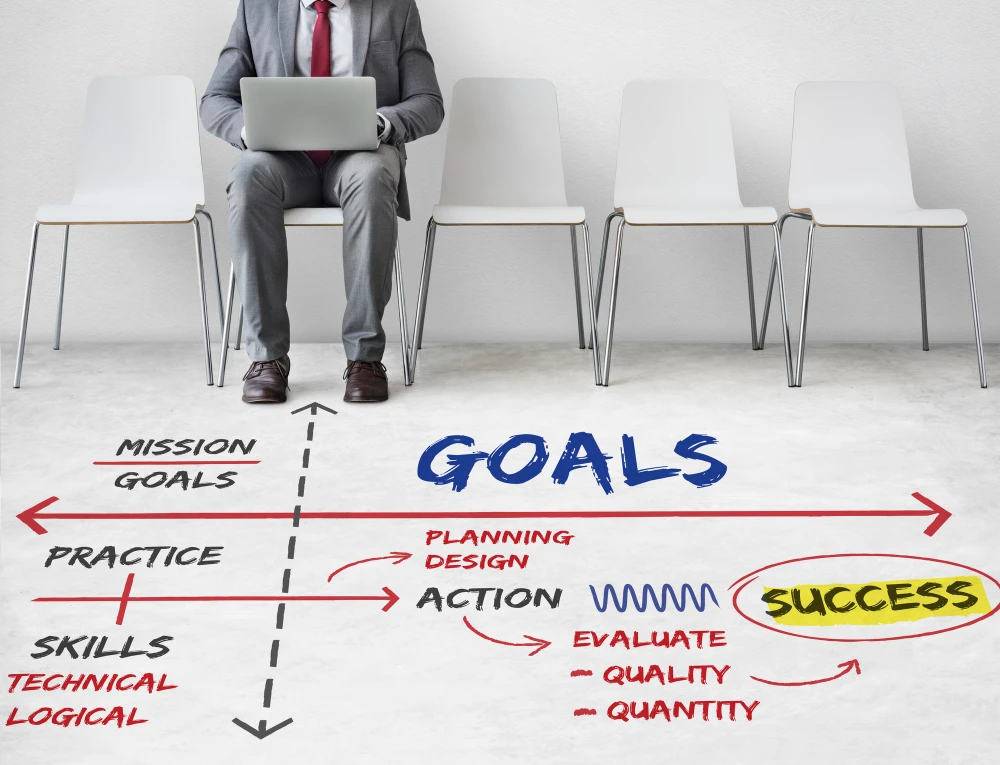
Career goals are objectives a person wants to achieve throughout their career, whether in the short or long term. HR can help employees define career goals by understanding their interests, strengths, work values, target roles, and organizational needs, then turning them into measurable development goals and plans.
Having a career goal does not mean every employee needs to know exactly where they want to be five years from now. In practice, career goals can change as employees gain experience, develop new skills, respond to business needs, or adapt to changes in their industry. What matters more is having enough direction to determine the next step.
For HR and organizations, career goals are not simply a personal matter for employees. When individual goals can be connected to organizational needs, companies can more effectively plan competency development, internal mobility, and succession planning. That is why career goals should be discussed openly rather than addressed only during performance reviews.
What Are Career Goals?
Career goals are professional objectives that a person wants to achieve within a specific period. They can take many forms, from developing new competencies and taking on additional responsibilities to moving into a particular function or reaching a leadership position.
Career goals do not always have to involve a promotion. An employee may aim to become a subject matter expert, develop a new skill, earn a professional certification, gain cross-functional experience, or take on a more strategic role.
This is why HR should not assume that every employee wants to follow the same career path.
Read also: Best Practices for Using Psychological Tests in Recruitment
Why Are Career Goals Important for HR and Employees?
Career goals help connect individual aspirations with a more concrete development direction. The Society for Human Resource Management (SHRM) also highlights how career pathing can provide employees with greater clarity about their future while helping organizations align individual goals with organizational needs.
Help employees set priorities. Without clear goals, training and competency development programs can feel like a list of activities to complete. Career goals help employees understand why they need to develop particular skills.
Help HR create development plans. HR can use career goals as one input when determining relevant training, mentoring, job rotation, and project opportunities based on employee development needs.
Support internal mobility. When employees' career goals are understood, organizations can more easily identify internal opportunities that align with their skills and aspirations.
Strengthen employees' connection with the organization. Employees can better understand how their current role relates to their desired career direction when the organization provides a realistic development path.
How to Set Clear Career Goals
Good career goals are more than simply saying, “I want to get promoted.” They should be specific enough for employees and managers to understand what needs to be done to achieve them.
1. Start with a Self-Assessment
The first step is understanding an employee's current situation. Employees can evaluate their skills, interests, experience, work values, and the activities in which they feel most productive.
HR can support this process by using assessments as an additional source of data. For example, Career Match combines an individual's profile, ideal career, work culture, and career goals to provide a more comprehensive picture of their career tendencies.
2. Identify the Target Role or Competency
After understanding the current situation, determine the desired direction. The goal does not necessarily have to be a specific job title.
For example:
Become a supervisor within two years.
Develop data analytics skills within one year.
Earn a professional certification.
Lead a cross-departmental project.
Transition from an individual contributor to a people manager.
3. Identify the Gap Between the Current State and the Target
Career goals become more useful when accompanied by a gap analysis. Ask: What competencies does the employee already have, and what is still missing?
For example, an employee may want to become a supervisor but have limited experience leading a team. In this case, the development plan could focus on leadership training, mentoring, or opportunities to lead smaller projects.
4. Set Measurable Goals
Use the SMART framework to make career goals less abstract. Goals should have clear success indicators and a defined timeframe.
Example:
“Increase presentation skills” is still too general.
Compare it with:
“Lead at least three presentations for stakeholders within six months.”
The second goal is easier to monitor because it includes a measurable outcome.
5. Connect Career Goals with Organizational Needs
Career goals should not only benefit employees. HR also needs to identify the point where individual aspirations and organizational needs intersect.
For example, if the company needs to develop future leaders, employees with leadership aspirations can be directed toward a leadership development program.
6. Review Career Goals Regularly
Career goals are not permanent contracts. Aspirations can change as employees gain new experiences, or as business strategies evolve.
For this reason, career conversations should take place regularly rather than only once a year. Gallup also emphasizes the importance of ongoing development conversations in helping employees understand their next steps in their careers.
Read also: Add-On Interview: Are Assessment Results Alone Enough?
The Role of HR in Helping Employees Set Career Goals
HR is not responsible for determining an employee's career goals. Instead, HR's role is to act as a facilitator who helps employees understand their options and connect them with opportunities within the organization.
HR can:
Provide career assessments.
Help map competencies.
Provide transparent career paths.
Facilitate mentoring and coaching.
Create job rotation opportunities.
Provide upskilling and reskilling programs.
Monitor progress toward career goals.
With this approach, career development does not remain an HR document. Instead, it becomes part of the overall employee experience.
Mistakes to Avoid When Setting Career Goals
Career goals can become ineffective when they are defined without considering individual and organizational contexts. Here are some practices HR should avoid:
Focusing only on job titles. Not everyone wants to become a manager. Forcing employees into a managerial path can make career development less relevant to their aspirations.
Ignoring employee strengths. Career goals should take existing skills and potential into account rather than focusing only on areas that need improvement.
Failing to create an action plan. Goals without concrete steps are difficult to achieve. Each goal should be supported by clear development activities.
Never reviewing the goals. Career goals created two years ago may no longer be relevant today. Regular reviews are necessary to ensure the direction remains appropriate.
Use Assessments to Help Map Career Goals
Setting career goals does not have to rely on intuition alone. Assessments can provide an additional source of data to help employees and HR understand individual profiles, career preferences, and workplace tendencies.
Psikologiehub provides Career Match, which covers Career Goals, Ideal Career, Work Culture, and an individual's profile. The assessment can be used as one of the inputs in recruitment, retention, and employee rotation processes.
To explore other assessment options, you can also visit the Psikologiehub Test Library and select an assessment based on your organization's needs.
Start screening and talent mapping with more relevant data. Schedule a consultation or Contact the Psikologiehub Team to discuss your organization's assessment needs.
FAQ
What are career goals?
Career goals are professional objectives that a person wants to achieve throughout their career, whether in the short or long term.
How do you set career goals?
Start by identifying your strengths, interests, and work values. Then, determine the desired goal, identify competency gaps, set measurable targets, and create an action plan.
Do career goals have to involve a promotion?
No. Career goals can also involve developing new skills, earning certifications, gaining project experience, moving to another function, or becoming a subject matter expert.
What is HR's role in career goals?
HR can support employees through career mapping, assessments, coaching, mentoring, training, and development opportunities that align with their career goals and organizational needs.
Related News & Articles

Why Are Employees Without Clear Career Goals More Likely to Resign?
Find out why unclear career goals may increase turnover risk and how HR can help employees see a clearer future within the organization.
LEARN MORE
What Is a Cognitive Test? Types and Benefits for HR
A cognitive test measures thinking abilities used in recruitment. Learn about its types, benefits, and how HR can use the results.
LEARN MORE
Career Match for Employee Rotation: Supporting Internal Transfer Decisions
Learn how Career Match and assessments can help HR evaluate employee fit for rotation and internal transfers more systematically.
LEARN MORE